
whatspp
  Appointment

Wisdom Tooth Removal in 2026: Faster Healing with Advanced Surgical Techniques

Wisdom tooth pain can disrupt your daily life, affecting eating, speaking, and even sleep. At Qdental, patients receive modern and comfortable care for safe and efficient wisdom tooth removal. In 2026, advanced dental technologies and minimally invasive surgical methods have made the procedure quicker, safer, and easier to recover from. If you are dealing with swelling, jaw stiffness, or repeated infections, timely treatment can prevent serious complications and protect your oral health.

image

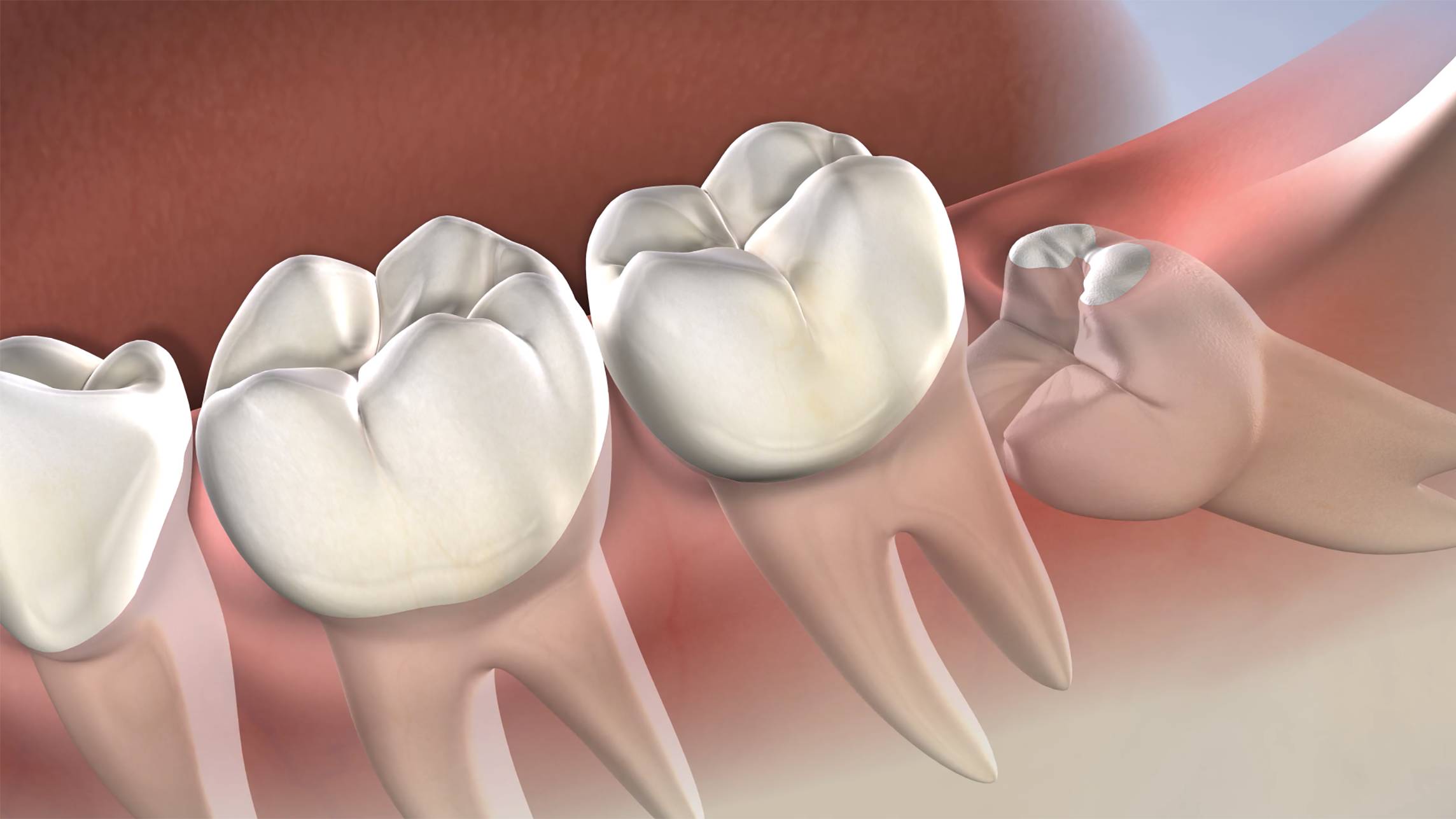
Understanding Wisdom Tooth Removal

Wisdom teeth are the last set of molars that usually appear between ages 17 and 25. Many people experience problems because there isn’t enough space in the jaw for proper eruption. When a tooth is impacted, partially erupted, or causing infection, wisdom tooth removal becomes necessary. At Qdental, the service focuses on:
⦿    Digital diagnosis using advanced imaging
⦿    Pain-free local anesthesia techniques
⦿    Minimally invasive surgical extraction
⦿    Faster recovery protocols
This specialized approach ensures safer procedures and reduced discomfort for patients.

Why Wisdom Teeth Often Need Removal

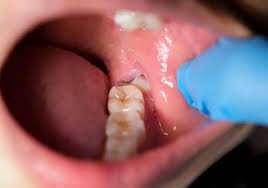
Not everyone requires extraction, but removal is recommended when:
⦿    The tooth is impacted inside the jaw
⦿    There is severe pain or swelling
⦿    Recurrent gum infection occurs
⦿    Crowding affects nearby teeth
⦿    Cysts or damage to adjacent teeth develop
Ignoring symptoms can lead to complications like abscesses or jaw infections. Early evaluation helps avoid emergency situations.
image
image

What’s New in 2026? Advanced Surgical Techniques

Modern dentistry has transformed wisdom tooth surgery. In 2026, dental clinics use innovative tools to enhance comfort and speed healing.
1. 3D Digital Imaging
Advanced 3D scans provide precise views of nerve positions and bone structure. This improves surgical planning and reduces risks.
2. Piezosurgery Technology
Ultrasonic instruments cut bone with high precision while protecting soft tissues, resulting in less swelling and quicker healing.
3. Laser-Assisted Procedures
Lasers help minimize bleeding, sterilize the area, and promote faster tissue recovery.
4. Improved Suturing Methods
Modern dissolvable stitches reduce follow-up visits and improve comfort.
These techniques make wisdom tooth removal smoother and recovery more predictable

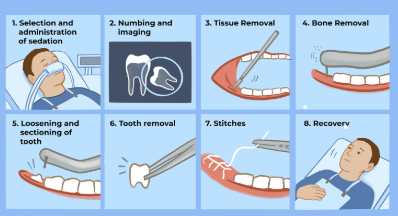
The Procedure: Step-by-Step

Understanding the process can ease anxiety. Here’s what typically happens: ⦿    Detailed consultation and digital X-ray

⦿    Administration of local anesthesia
⦿    Small incision to access the tooth
⦿    Gentle removal of the tooth
⦿    Placement of stitches if required
⦿    Post-operative instructions
The entire procedure usually takes 30–60 minutes, depending on complexity.
image
image

Faster Healing Tips After Surgery

With advanced surgical methods, recovery time has significantly reduced. Still, proper care is essential.
Follow these tips:
⦿    Rest for at least 24 hours
⦿    Apply ice packs to reduce swelling
⦿    Avoid smoking and hard foods
⦿    Take prescribed medications
⦿    Maintain gentle oral hygiene (dermadent)

Conclusion

Wisdom tooth removal in 2026 is faster, safer, and more comfortable than ever before. With advanced surgical techniques and precise digital planning, patients experience reduced discomfort and quicker healing. If you are facing wisdom tooth pain or related concerns, don’t delay treatment. Early evaluation can prevent serious complications and restore your comfort. For expert care and advanced treatment https://qdental.in/ options, Contact Us today and schedule your consultation.


Frequently Asked Questions

Frequently Asked Questions
1. Is wisdom tooth removal painful?
No, the procedure is performed under local anesthesia, ensuring minimal discomfort.
2. How long does recovery take?
Most people recover within 3–7 days with proper care.
3. Can I eat after surgery?
Yes, but stick to soft foods for the first few days.
4. Are stitches always required?
Not always. Some cases use dissolvable stitches.
5. What are impacted wisdom teeth?
Teeth that are trapped inside the gum or jawbone.
6. Is swelling normal after extraction?
Yes, mild swelling is common and usually subsides within 2–3 days.
7. Can I go to work the next day?
Light activities are fine, but rest is recommended for at least 24 hours.
8. Are there risks involved?
Complications are rare when performed by experienced dentists.
9. How do I know if my wisdom tooth needs removal?
Pain, infection, or crowding are common signs.
10. Is advanced surgery more expensive?
Costs vary, but modern techniques often reduce complications and follow-up visits.